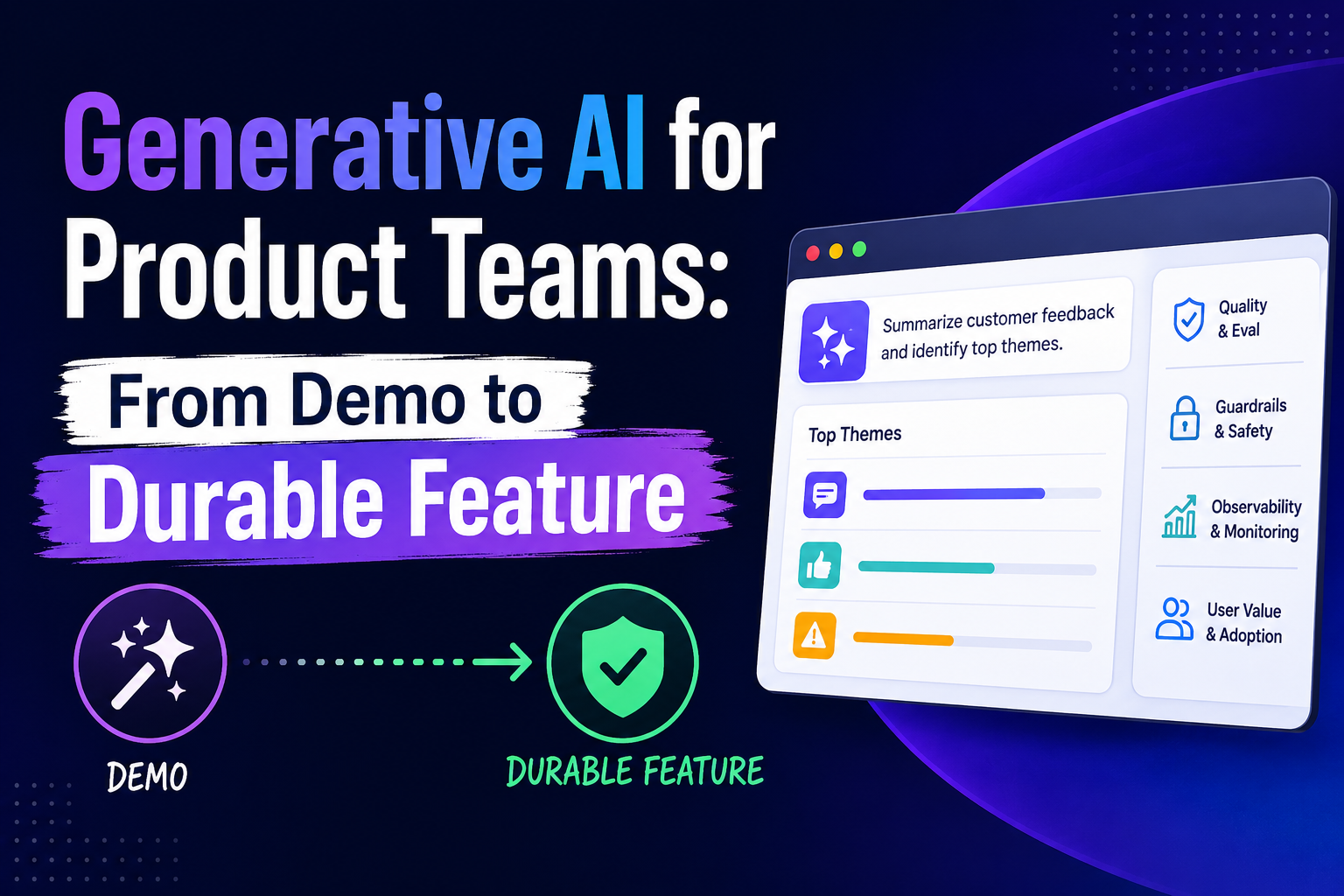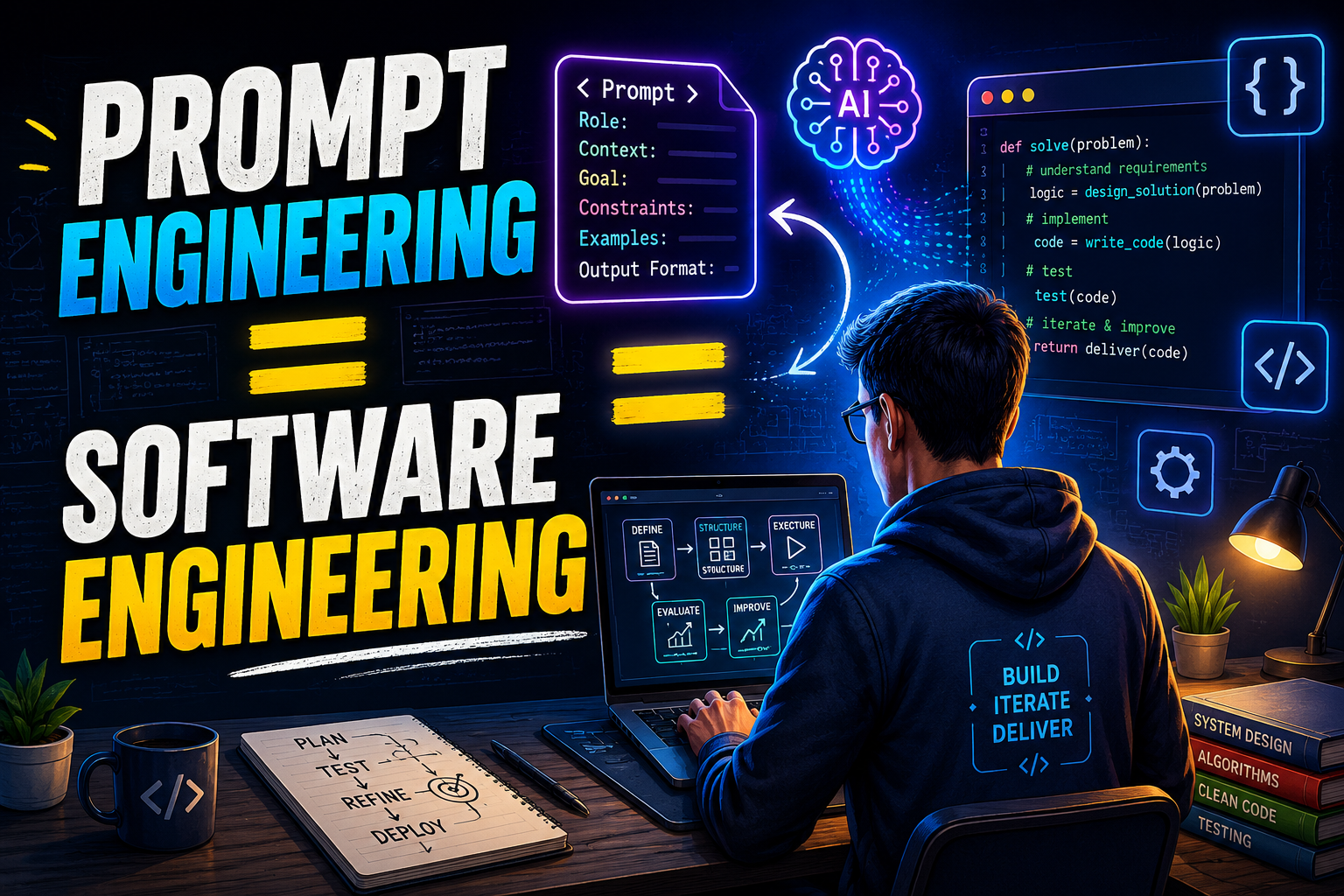

The gap between an impressive AI demo and a system people can depend on is mostly engineering discipline. Before any AI feature we build goes live, it has to pass the same checklist — and most of it has nothing to do with the model itself.
1. An evaluation set you trust
Collect real examples — ideally a few hundred — with the answers or actions you expect. Run the system against them on every change. If you can't measure accuracy, you can't tell whether a prompt tweak or model upgrade made things better or worse.
2. Guardrails on inputs and outputs
- Filter personal and sensitive data before it reaches the model where required.
- Constrain outputs to a schema so downstream code can rely on them.
- Block off-topic, unsafe, or off-brand responses.
- Require citations when answers come from your documents.
3. Confidence thresholds and human review
Decide which actions the AI can take alone and which need approval. Low-confidence cases should land in a review queue with the AI's reasoning attached, never slip through silently.
4. Cost and latency budgets
Estimate cost per request at production volume and set alerts. Caching, smaller models for simple steps, and batching can cut costs dramatically without hurting quality.
5. Monitoring and audit logs
Log every input, output, and action with enough context to reproduce it. Track quality, cost, and latency over time so drift is caught early, and keep an audit trail for compliance.
6. A rollback plan
Make it possible to switch the AI off, fall back to the previous process, or pin an earlier model version in minutes. AI that plugs into your existing systems — rather than replacing them — makes this easy.
Production AI is boring on purpose: measured, guarded, observable, and reversible.
Want to build something like this?
Let's talk about your AI or web project.