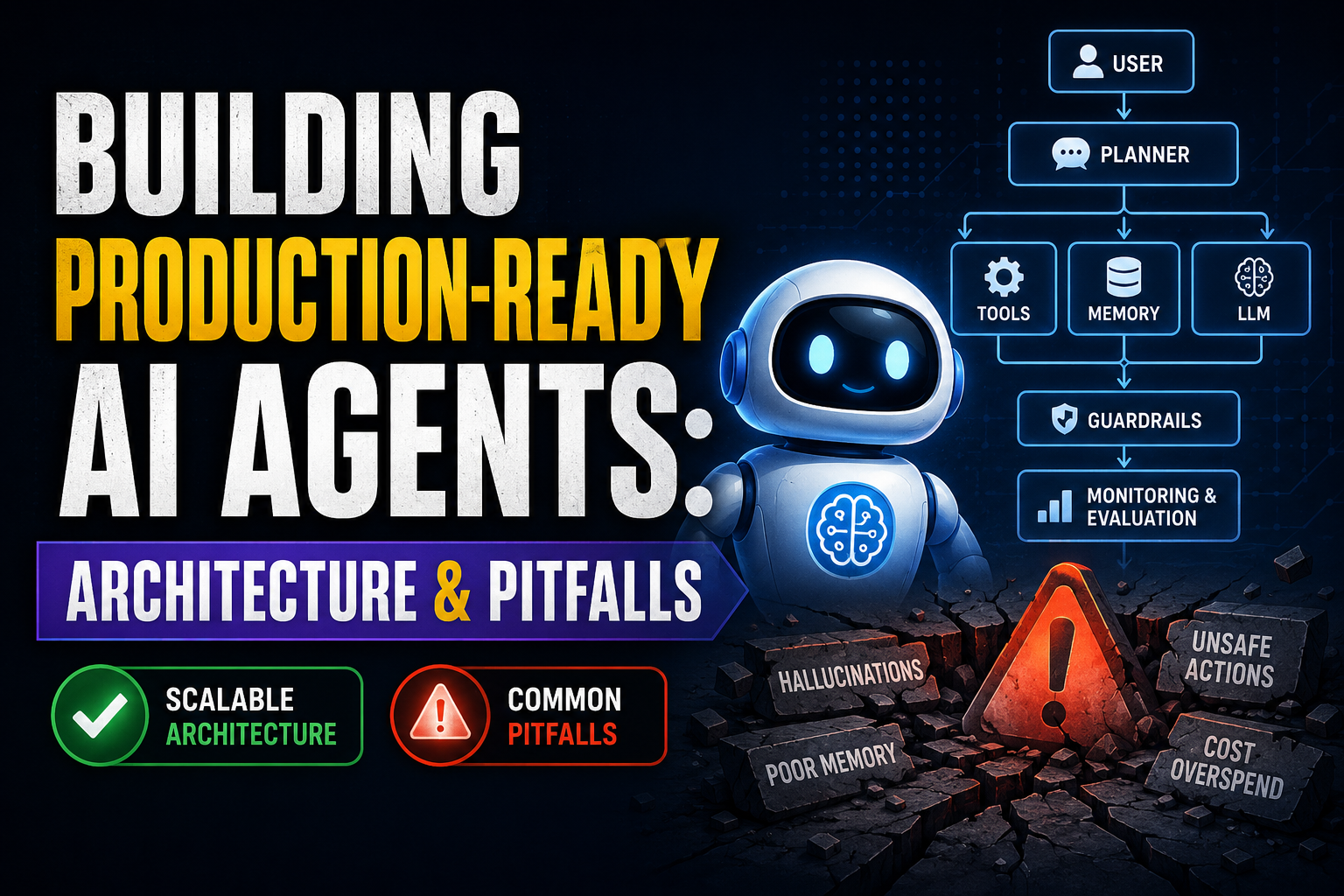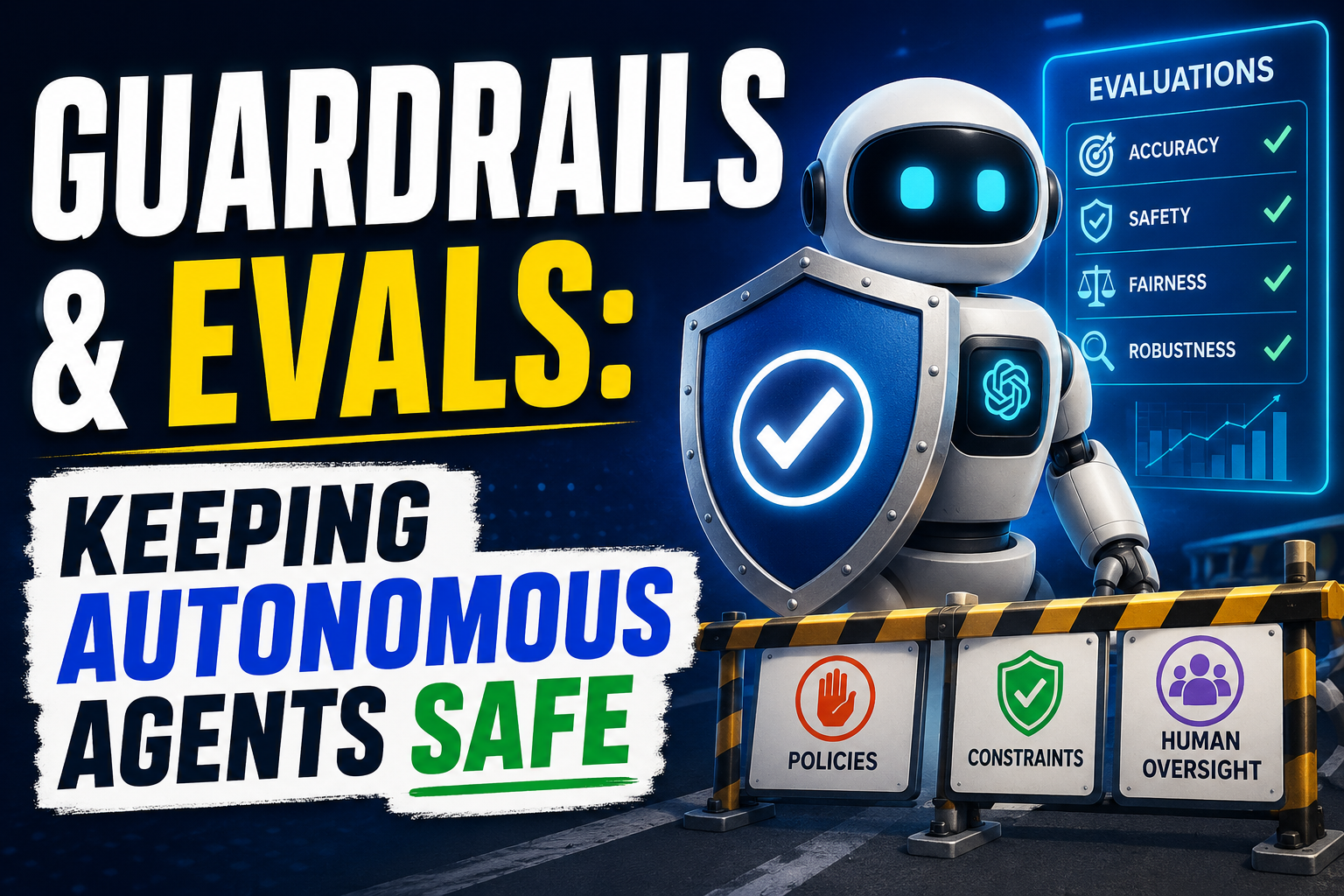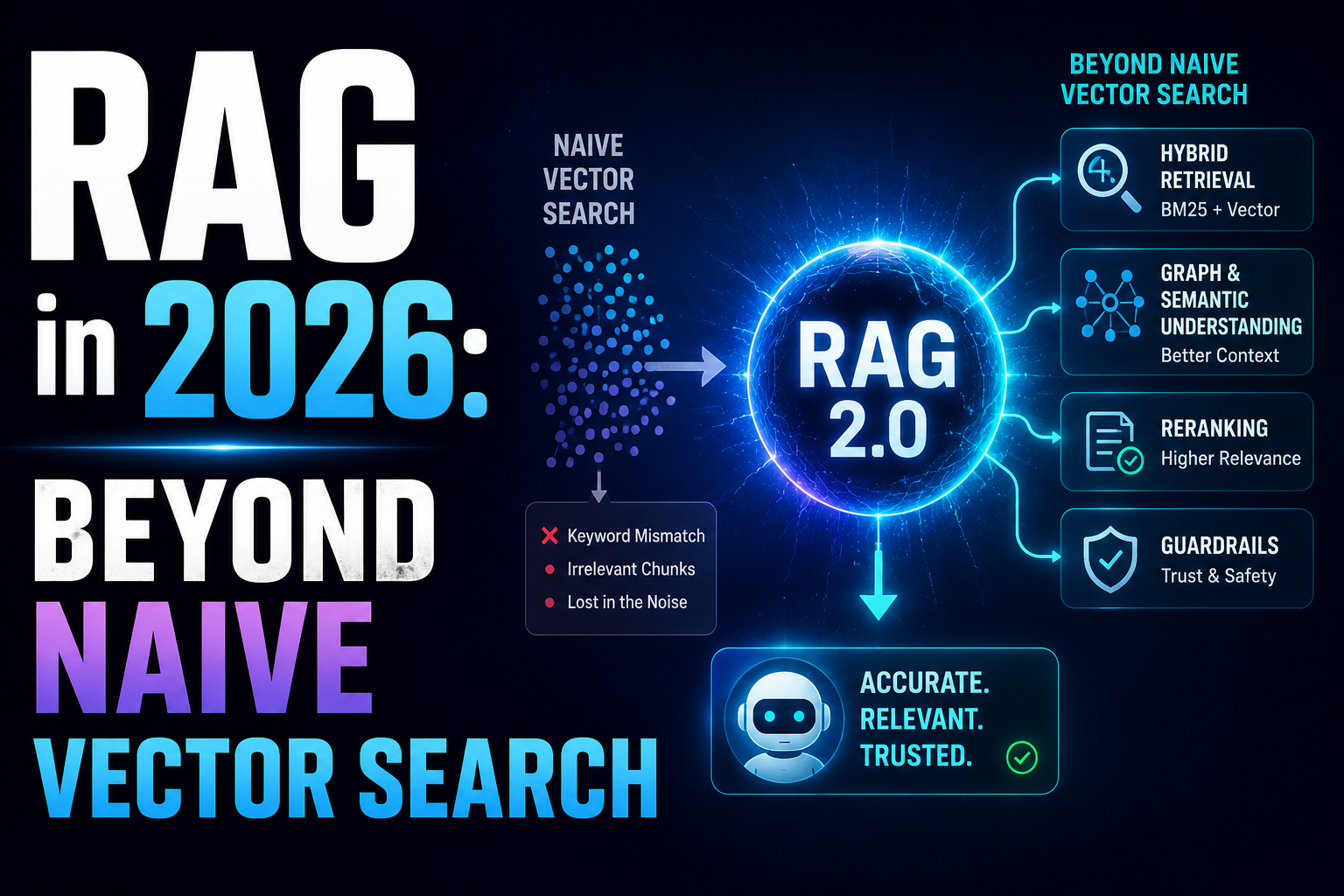
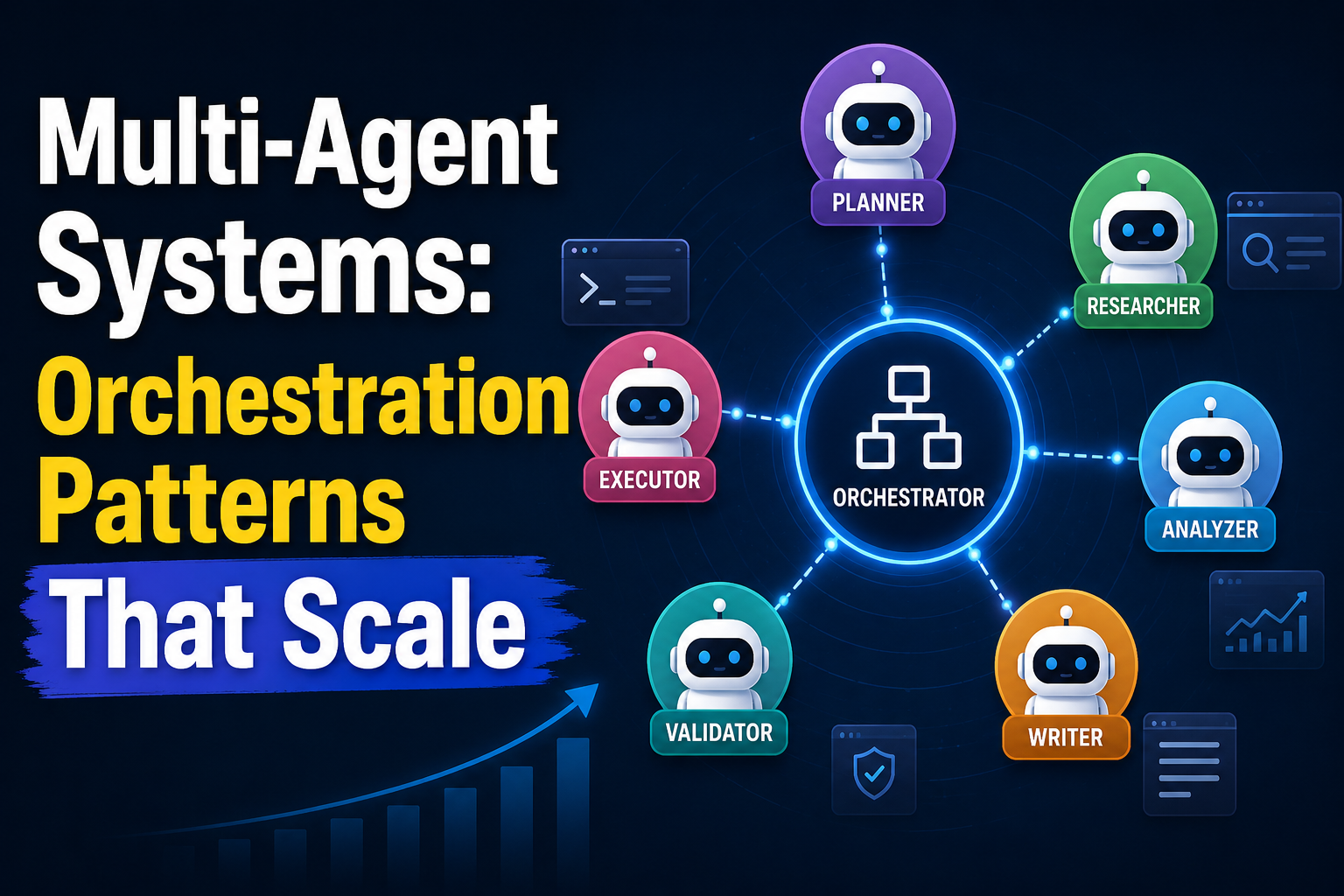
Multi-agent orchestration is one of those topics that sounds simple until you ship it in production. In this guide we break down what actually matters when working with multi-agent systems, the trade-offs teams run into, and a practical path you can follow today.
Why this matters now
The landscape around multi-agent systems has changed fast. Tooling that was experimental a year ago is now part of mainstream engineering workflows, and the teams that win are the ones who treat it as real software — with testing, observability, and clear ownership rather than one-off scripts.
Before diving into implementation, it helps to be honest about the problem you are solving. The goal is never to use the newest technique for its own sake; it is to deliver a reliable outcome your users can trust.
Key things to get right
From our work shipping these systems for clients, a handful of decisions consistently separate the projects that scale from the ones that stall:
- Use a supervisor to route work to specialized agents.
- Let agents debate when correctness matters more than speed.
- Separate planning from execution for clearer failure modes.
- Cap iterations so a stuck agent can't loop forever.
- Share state through a single source of truth, not ad-hoc messages.
The best multi-agent systems implementations are boring on purpose — predictable, observable, and easy to reason about under load.
A practical path forward
Start small with a clearly scoped use case, instrument everything, and add evaluation before you add features. Once you have a feedback loop you trust, scaling up becomes an exercise in iteration rather than guesswork.
If you are exploring multi-agent systems for your own product and want a second opinion on architecture or rollout, the AwaitSol team is happy to help.
Want to build something like this?
Let's talk about your AI or web project.